Article by: Nur Hidayahanum Hamid
Source: Trinity College Dublin
A new study led by Trinity College Dublin and the University of Pretoria has found that warm-bodied, or mesothermic, fish such as tuna and some sharks face significant energetic and thermal challenges as oceans warm. Published in Science, the study shows that these fish use approximately 3.8 times more energy than similarly sized cold-blooded (ectothermic) fish, even after accounting for body size and temperature.
Mesothermic fish, which make up less than 0.1% of fish species, can maintain parts of their bodies at temperatures above the surrounding water. This adaptation gives species such as tuna, great white sharks and basking sharks advantages including faster swimming, improved hunting and the ability to undertake long-distance movements. However, these benefits come with a high metabolic cost.
The researchers developed a method to estimate the energy expenditure of free-swimming fish using biologging sensors that recorded body and surrounding water temperatures. Data from wild fish, including large basking sharks weighing up to 3.5 tonnes, were combined with hundreds of laboratory measurements from smaller species.
The findings suggest that temperature strongly influences the energy demands of these predators. A 10°C increase in body temperature can more than double routine metabolic rate, meaning warm-bodied fish need substantially more food to support their lifestyle. This becomes particularly problematic as ocean warming may reduce prey availability.
Body size further increases the risk. Larger fish generate heat faster than they can dissipate it because their bodies retain heat more efficiently. In mesothermic species, their already high metabolic rates amplify this problem, making them increasingly vulnerable to overheating as they grow.
The researchers describe this situation as a “double jeopardy”: warming oceans increase the risk of overheating while declining or shifting food supplies make it harder for these predators to meet their high energy requirements. As a result, some species may face shrinking suitable habitats and increasing pressure to move toward cooler, higher-latitude waters.
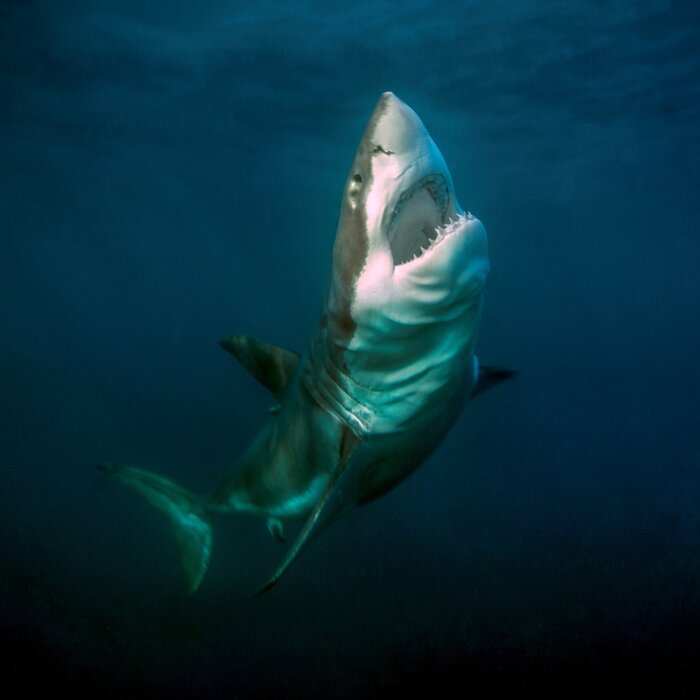 Figure 1: The large and warm-bodied great white shark (Carcharodon carcharias) has high fuel demands and risks overheating in warm oceans. Credit: Andrew Fox
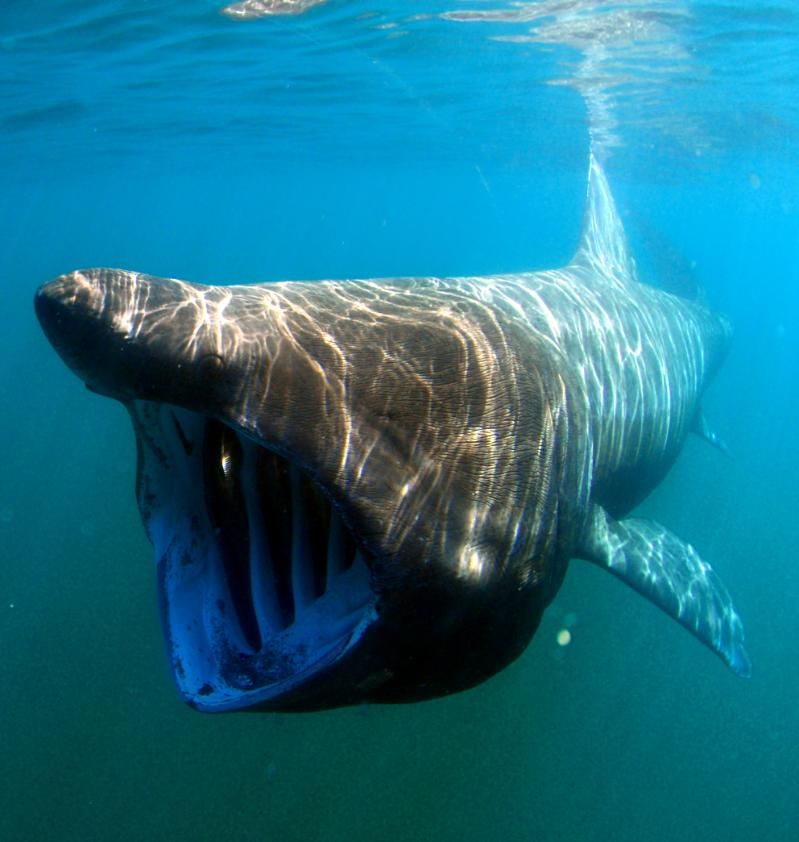 Figure 2: A basking shark swims with its mouth wide open, filter feeding. These sharks are frequently seen in Irish waters. Photo: Greg Skomal.
References
- https://www.sciencedaily.com/releases/2026/04/260417224459.htm
- Pengarah I-AQUAS
- Timbalan Pengarah I-AQUAS
- Ketua Laboratori Ekosistem dan Pengurusan Akuatik
- Ketua Laboratori Akuakultur Mampan
- Web I-AQUAS UPM
- Siswazah I-AQUAS
- â â Web Universiti Putra Malaysia
- â â Kementerian Pendidikan
- Jabatan Perikanan Malaysia
- Mosti Malaysia
- â Research Officer – Dr. Nur Hidayahanum Hamid
- Research Officer – Dr. Izwaharyanie Ibrahim
- Research officer- Mohd Fakhrulddin Ismail
- Media Sosial I-AQUAS – Tiktok
- Media Sosial I-AQUAS – Twitter
- Media Sosial I-AQUAS – Facebook
- Media Sosial I-AQUAS - Instagram
- Media Sosial I-AQUAS - Youtube
- Google Place
Date of Input: 13/08/2026 | Updated: 13/08/2026 | izwaharyanie
MEDIA SHARING