Article by: Nur Hidayahanum Hamid
Source: Chalmers University of Technology
Researchers at Chalmers University of Technology, Sweden, have developed a groundbreaking method to extract protein from sea lettuce (Ulva fenestrata) three times more efficiently than before. This advancement holds promise for creating sustainable and nutritious alternative protein sources, such as "blue burgers" and protein-rich smoothies, as part of the shift away from meat to environmentally friendly options.
Sea lettuce is rich in essential nutrients, including vitamin B12 and omega-3 fatty acids, which are crucial for health but often deficient in plant-based diets. Its cultivation offers numerous advantages: it requires no watering, fertilization, or insecticides and thrives in various environmental conditions. Researchers also aim to enhance its protein content by cultivating it in nutrient-rich industrial process water, thereby recycling nutrients back into the food chain.
The extraction method involves breaking down the seaweed's complex cell membranes to access water- and fat-soluble proteins, then isolating these proteins using pH adjustments. This process also enriches the product with marine omega-3 and vitamin B12, providing a broader nutritional profile compared to other plant-based proteins like soy and pea.
The innovation, part of the CirkAlg-project, aims to foster a sustainable "blue-green" food industry by fully utilizing seaweed's components for food, materials, or medical applications. The ultimate goal is zero waste, aligning with sustainability and commercial viability.
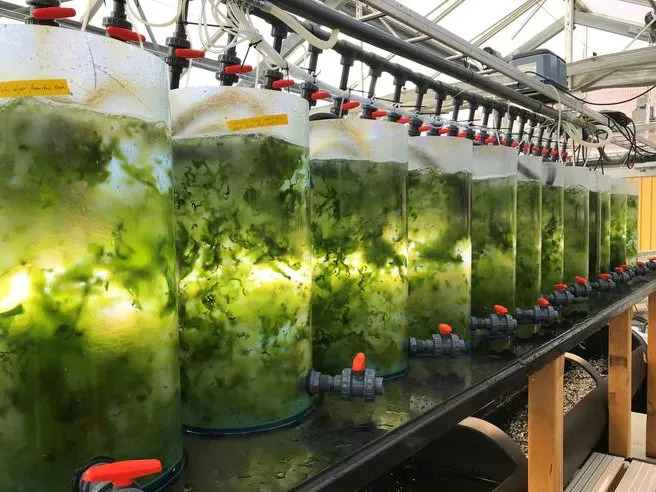
Picture 1: Sea lettuce is grown in tanks (Credit: Sophie Steinhagen)
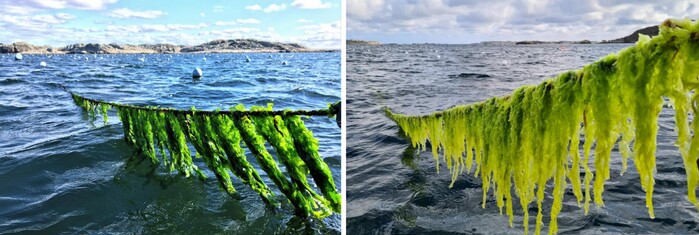
Picture 2: Off-shore cultivation of U. fenestrata located in the Swedish Koster archipelago, Skagerrak (Credit: Sophie Steinhagen)
Date of Input: 03/12/2024 | Updated: 03/12/2024 | hidayahanum
MEDIA SHARING