edited by Mohd Fakhrulddibn Ismail
Seaweed: The Ocean's Ultimate Superfood
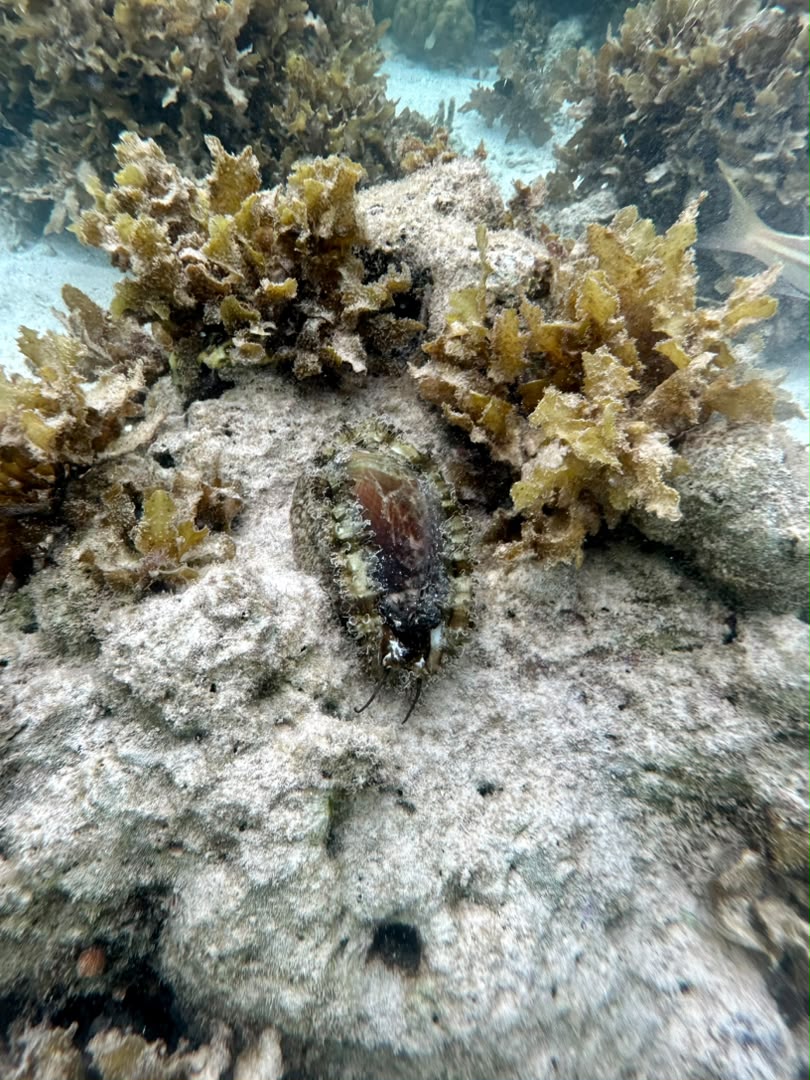
Beneath the ocean's surface lies one of nature's most promising and nutrient-dense superfoods: seaweed. Classified into three main categories—red (Rhodophyta), green (Chlorophyta), and brown (Ochrophyta)—these marine algae are rapidly gaining global recognition. Far beyond a simple sushi wrapper, seaweed is a nutritional powerhouse packed with bioactive compounds that offer extraordinary benefits for both human health and future food security.
A Treasure Trove of Nutrients
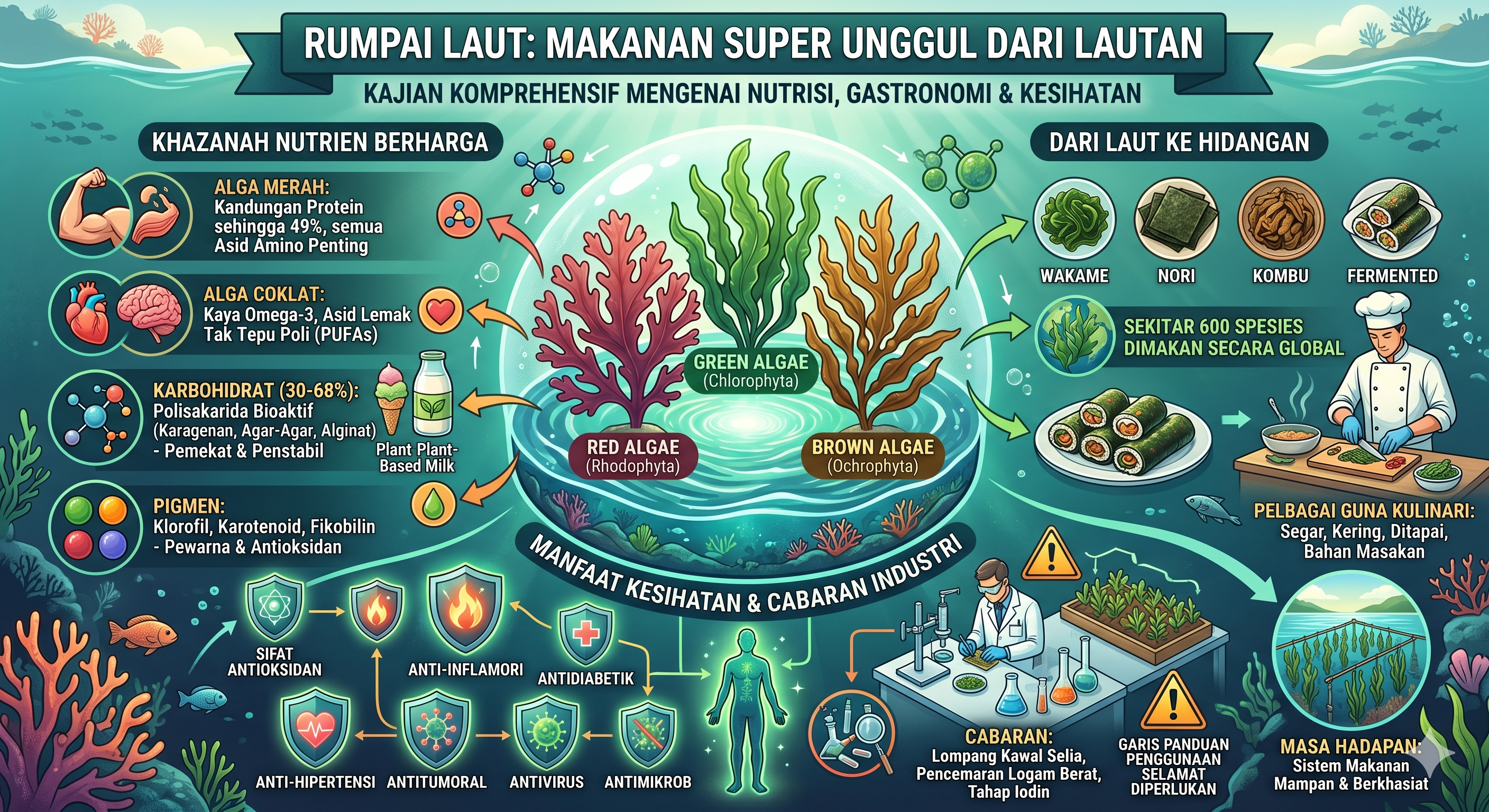
The true marvel of seaweed lies in its comprehensive nutritional profile. For instance, red algae are exceptionally rich in muscle-building components, boasting up to 49% protein content and delivering all the essential amino acids our bodies require. While seaweed is generally low in fat—containing just 0.3% to 4.8% lipids by dry weight—the fats it does possess are highly beneficial. It is remarkably rich in omega-3 polyunsaturated fatty acids, particularly in the brown varieties.
Additionally, carbohydrates make up a significant 30% to 68% of seaweed's composition. These aren't empty calories; they include valuable bioactive polysaccharides like carrageenan, agar, and alginate. Even the pigments that give seaweed its vibrant colors—chlorophylls, carotenoids, and phycobilins—serve a dual purpose, functioning as powerful health-promoting antioxidants and natural colorants.
From Historical Roots to Modern Plates
Seaweed consumption has deep historical roots, especially in Asian nations like Japan, China, and Korea. Today, approximately 600 species are consumed globally, with wakame, nori, and kombu reigning as the most popular culinary choices. Whether eaten fresh in salads, dried as a crispy snack, or fermented, seaweed is highly versatile in the kitchen.
Beyond direct consumption, seaweed extracts have revolutionized the modern food industry. The polysaccharides mentioned earlier (alginates, agar, and carrageenan) are extracted and utilized worldwide as natural thickeners, stabilizers, and gelling agents in countless everyday products, ranging from ice cream to plant-based milks.
Health Benefits and Industry Challenges
The regular consumption of seaweed is linked to an impressive array of physiological benefits. Scientific reviews highlight its extraordinary antihypertensive, antidiabetic, antioxidant, and anti-inflammatory properties. Furthermore, specific compounds within seaweed exhibit antitumoral, antiviral, and antimicrobial effects, making it a functional food with massive preventative health potential.
However, as the seaweed industry scales up to meet growing consumer demand, it faces vital hurdles. There are notable regulatory gaps concerning potential heavy metal contamination and fluctuating iodine levels in unmonitored marine environments. To guarantee consumer safety, the industry urgently requires standardized global guidelines for safe cultivation and consumption. With proper regulation and careful development, seaweed is perfectly positioned to become a sustainable, nutritious cornerstone of the global food system.
Reference:
- Salido, M., Soto, M., & Seoane, S. (2024). Seaweed: Nutritional and gastronomic perspective. A review. Algal Research, 77, 103357. https://doi.org/10.1016/j.algal.2023.103357
- Pengarah I-AQUAS
- Timbalan Pengarah I-AQUAS
- Ketua Laboratori Ekosistem dan Pengurusan Akuatik
- Ketua Laboratori Akuakultur Mampan
- Web I-AQUAS UPM
- Siswazah I-AQUAS
- Web Universiti Putra Malaysia
- Kementerian Pendidikan
- Jabatan Perikanan Malaysia
- Mosti Malaysia
- â Research Officer – Dr. Nur Hidayahanum Hamid
- Research Officer – Dr. Izwaharyanie Ibrahim
- Research officer- Mohd Fakhrulddin Ismail
- Media Sosial I-AQUAS – Tiktok
- Media Sosial I-AQUAS – Twitter
- Media Sosial I-AQUAS – Facebook
- Media Sosial I-AQUAS - Instagram
- Media Sosial I-AQUAS - Youtube
- Google Place