Article by: Nur Hidayahanum Hamid
Source: University of California - Los Angeles
Scientists from UCLA and UC San Diego have engineered a common human gut bacterium, Bacteroides thetaiotaomicron, to detoxify methylmercury; a toxic compound that accumulates in seafood. By inserting DNA from a mercury-resistant soil bacterium, they enabled the microbe to break down methylmercury in the intestines of mice. When administered as a probiotic, the engineered microbe significantly reduced mercury levels in vital tissues such as the brain and liver, even in pregnant mice and their fetuses.
The study showed that mice fed a diet rich in bluefin tuna, a fish known for high methylmercury content had much lower mercury absorption when given the probiotic. The detoxification effect was also observed with salmon, which contains lower mercury levels. These findings suggest that a future probiotic could help mitigate mercury exposure from fish consumption, especially for vulnerable populations like pregnant women.
Despite global efforts to reduce mercury pollution, methylmercury levels in seafood remain high due to biomagnification in marine food chains. The researchers hope their engineered microbe could offer a practical dietary safeguard, allowing people to continue enjoying fish without the same health risks.
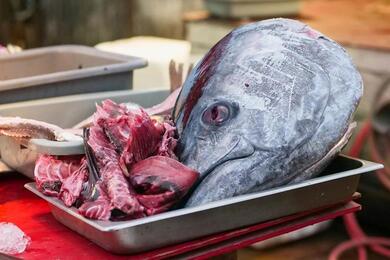
Picture 1: Bluefin tuna
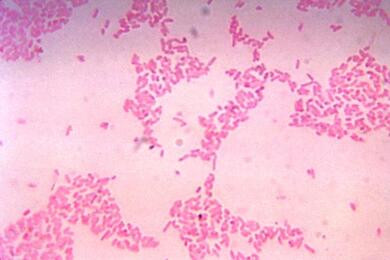
Picture 2: Bacteroides thetaiotaomicron cultivated on blood agar for a 48hour incubation period. Credit: CDC/ Dr. V. R. Dowell, Jr.
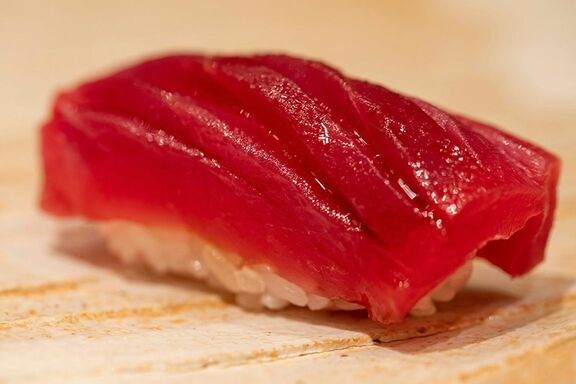
Picture 3: Bluefin tuna sushi. Credit: Jin Ohashi/Unsplash
References
- https://www.the-microbiologist.com/news/designer-microbe-shows-promise-for-reducing-mercury-absorption-from-seafood/5753.article
- https://newsroom.ucla.edu/releases/reducing-mercury-absorption-food
- https://www.technology.org/2025/06/12/designer-microbe-shows-promise-for-reducing-mercury-absorption-from-seafood/
- https://phys.org/news/2025-04-microbe-mercury-absorption-seafood.html
- https://phys.org/news/2025-04-microbe-mercury-absorption-seafood.html
- https://www.intotheblue.it/en_GB/feed-items/designer-microbe-shows-promise-for-reducing-mercury-absorption-from-seafood/
- https://www.discovermagazine.com/skip-sushi-no-more-designer-microbes-can-now-reduce-mercury-poisoning-47499
- https://www.technologynetworks.com/applied-sciences/news/designer-gut-bacterium-may-reduce-mercury-absorption-from-seafood-399207
- https://www.the-scientist.com/engineered-bacteria-detox-mercury-from-a-fish-rich-diet-73121
- https://seafood.media/fis/worldnews/worldnews.asp?monthyear=&day=2&id=134439&l=e&special=0&ndb=0
- DOI: 10.1016/j.chom.2025.04.009
- https://doi.org/10.1016/j.scitotenv.2020.136827
- https://doi.org/10.1016/j.ecoenv.2020.110462
- DOI: 10.1016/j.scitotenv.2017.10.014
- https://doi.org/10.1016/j.resconrec.2024.107858
- https://doi.org/10.1016/j.scitotenv.2018.12.406
- https://doi.org/10.1016/j.fct.2024.114461
- https://doi.org/10.1016/j.cbpa.2022.102178
- https://doi.org/10.1016/j.cell.2017.03.041
- https://doi.org/10.1016/j.neuro.2022.04.006
Date of Input: 02/09/2025 | Updated: 11/11/2025 | m_fakhrulddin
MEDIA SHARING