Article by: Nur Hidayahanum Hamid
Source: ETH Zurich
An international research team successfully used environmental DNA (eDNA) to map tropical reef fish distribution worldwide by sampling seawater and identifying species from residual DNA. This method revealed a 16% higher fish diversity compared to traditional surveys, which rely on visual observations. The eDNA approach was especially effective in detecting elusive species, like those living in deep waters, open oceans, or hidden reef crevices. However, some species, such as wrasses and blennies, were harder to detect due to incomplete reference databases. While eDNA offers a faster, more comprehensive way to monitor fish diversity, visual observations remain essential for recording certain species and gathering information like fish size and biomass.
The study confirmed the exceptional biodiversity in the Coral Triangle, a region between Borneo, Papua New Guinea, and the Philippines, due to its stable climate and diverse habitats. The research, conducted between 2017 and 2019, involved collecting 226 water samples from 26 tropical sites. The project was supported by international partners, including Monaco Explorations, and future expeditions are planned to further expand the database. This collaboration highlights the global effort needed to enhance reef conservation and better understand species distribution in response to environmental changes.

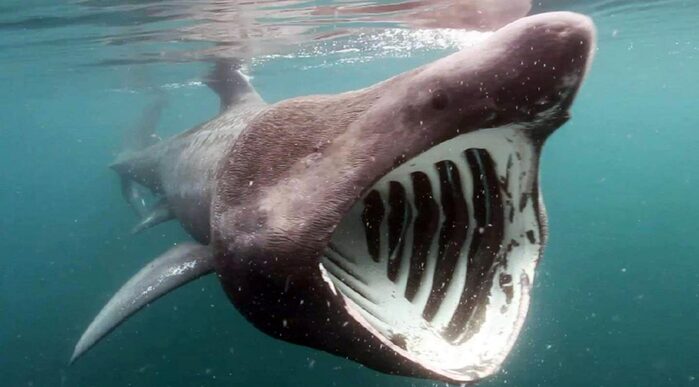
Picture 1: Divers usually find fewer species than laboratory researchers using environmental DNA. (Photograph: Adobe Stock)
Date of Input: 05/09/2024 | Updated: 05/09/2024 | hidayahanum
MEDIA SHARING