Article by: Nur Hidayahanum Hamid
Source: University of Miami Rosenstiel School of Marine, Atmospheric and Earth Science
A recent study led by researchers from the University of Miami revealed that gut microbes in marine fish may play a previously unrecognized role in regulating ocean chemistry and the global carbon cycle. Traditionally, calcium carbonate production in marine bony fish (teleosts) was believed to be controlled solely by the fish as part of osmoregulation, where excess calcium and carbonate ions from ingested seawater are excreted as calcium carbonate pellets (ichthyocarbonates). However, the study suggests this process results from a symbiotic interaction between fish and their gut microbiota.
Laboratory experiments using Gulf toadfish exposed to varying salinity levels showed that ichthyocarbonate production increased with higher salinity, while fish in low-salinity water produced none. Microbial DNA and RNA analyses revealed a high abundance of Photobacterium damselae subsp. damselae and other vibrios in the fish intestine and ichthyocarbonates. These bacteria possess genetic traits associated with calcium carbonate formation, indicating they may directly contribute to biomineralization.
The findings suggest that fish–microbe interactions extend beyond host health and nutrition, influencing large-scale marine biogeochemical processes such as carbon sequestration and ocean chemistry. This discovery highlights the ecological importance of host-associated microbiomes and underscores the need to incorporate microbial symbioses into future studies of marine ecosystem functioning and global carbon cycling.
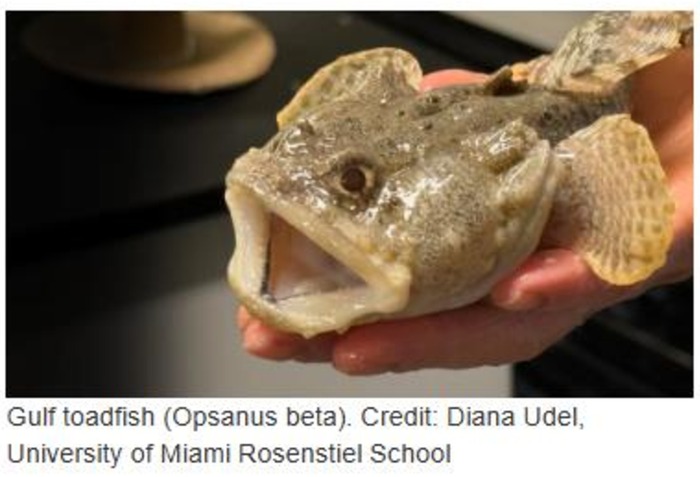
Figure 2: Gulf toadfish are bottom feeders, but their waste might be helping our ocean quality.
References
- https://www.researchgate.net/profile/Siti-Mohamed-Yusoff-2/publication/372475172_The_Impact_of_Natural_Co-Infection_of_Dactylogyrus_spp_and_Aeromonas_hydrophila_on_Behavioural_Clinical_and_Histophatological_Changes_of_Striped_Catfish_Pangasianodon_hypophthalmus_Sauvage_1878_A_Case/links/64b8e3798de7ed28baadb28a/The-Impact-of-Natural-Co-Infection-of-Dactylogyrus-spp-and-Aeromonas-hydrophila-on-Behavioural-Clinical-and-Histophatological-Changes-of-Striped-Catfish-Pangasianodon-hypophthalmus-Sauvage-1878-A.pdf
- Pengarah I-AQUAS
- Timbalan Pengarah I-AQUAS
- Ketua Laboratori Ekosistem dan Pengurusan Akuatik
- Ketua Laboratori Akuakultur Mampan
- Web I-AQUAS UPM
- Siswazah I-AQUAS
- â â Web Universiti Putra Malaysia
- â â Kementerian Pendidikan
- Jabatan Perikanan Malaysia
- Mosti Malaysia
- â Research Officer – Dr. Nur Hidayahanum Hamid
- Research Officer – Dr. Izwaharyanie Ibrahim
- Research officer- Mohd Fakhrulddin Ismail
- Media Sosial I-AQUAS – Tiktok
- Media Sosial I-AQUAS – Twitter
- Media Sosial I-AQUAS – Facebook
- Media Sosial I-AQUAS - Instagram
- Media Sosial I-AQUAS - Youtube
- Google Place
Date of Input: 06/07/2026 | Updated: 10/07/2026 | izwaharyanie
MEDIA SHARING