Article by: Nur Hidayahanum Hamid
Source: Boston University
Microplastics, pervasive environmental pollutants, are increasingly linked to public health crises, including the rise of antibiotic-resistant bacteria. A study by Boston University researchers, published in Applied and Environmental Microbiology, reveals that microplastics significantly enhance bacterial resistance to antibiotics. When Escherichia coli (E. coli) colonized microplastic surfaces, they formed robust biofilms—protective layers up to 400% thicker than those on non-plastic materials—that impeded antibiotic penetration. This resistance persisted even after microplastic removal, suggesting long-term microbial adaptation. The findings underscore heightened risks for socioeconomically disadvantaged populations, such as refugee settlements, where microplastic accumulation intersects with overcrowding and limited healthcare access. Professor Muhammad Zaman emphasizes that environmental factors, distinct from individual behavior, critically drive antimicrobial resistance (AMR), which already contributes to 4.95 million annual deaths globally.
The study highlights how microplastics create microenvironments that accelerate biofilm-mediated resistance, compounding health disparities in displaced populations. Researchers hypothesize that hydrophobic plastic surfaces initially repel liquids, facilitating bacterial adhesion, while aging plastics may absorb antibiotics, further shielding pathogens. With 122 million people forcibly displaced worldwide, under-resourced health systems face compounded risks from drug-resistant infections. The team, funded by the National Science Foundation, plans field studies in refugee camps to validate lab findings and investigate molecular mechanisms behind bacterial-plastic interactions. Zaman stresses the urgency of interdisciplinary collaboration to address environmental drivers of AMR, advocating for science-based policy interventions. This work underscores the critical need to integrate environmental health, materials science, and global health equity in combating antimicrobial resistance.
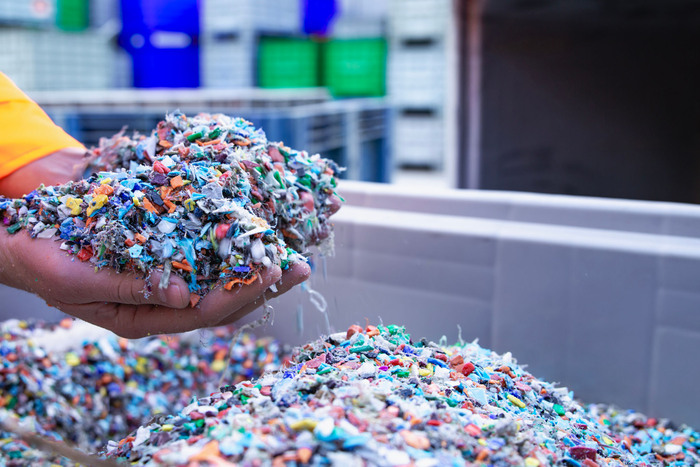
Picture 1: In a new study, BU researchers found that bacteria exposed to microplastic became resistant to multiple types of antibiotics commonly used to treat infection. Photo credit: photo via iStock-2085330845/aydinmutlu
Date of Input: 14/03/2025 | Updated: 14/03/2025 | hidayahanum
MEDIA SHARING