Article by: Nur Hidayahanum Hamid
Source: Nanyang Technological University
Scientists from Nanyang Technological University, Singapore, and Temasek Polytechnic have developed a sustainable alternative to fishmeal by replacing half of the protein in farmed Asian seabass diets with "single cell protein" derived from microbes in soybean processing wastewater. This innovation reduces reliance on traditional fishmeal, which contributes to overfishing.
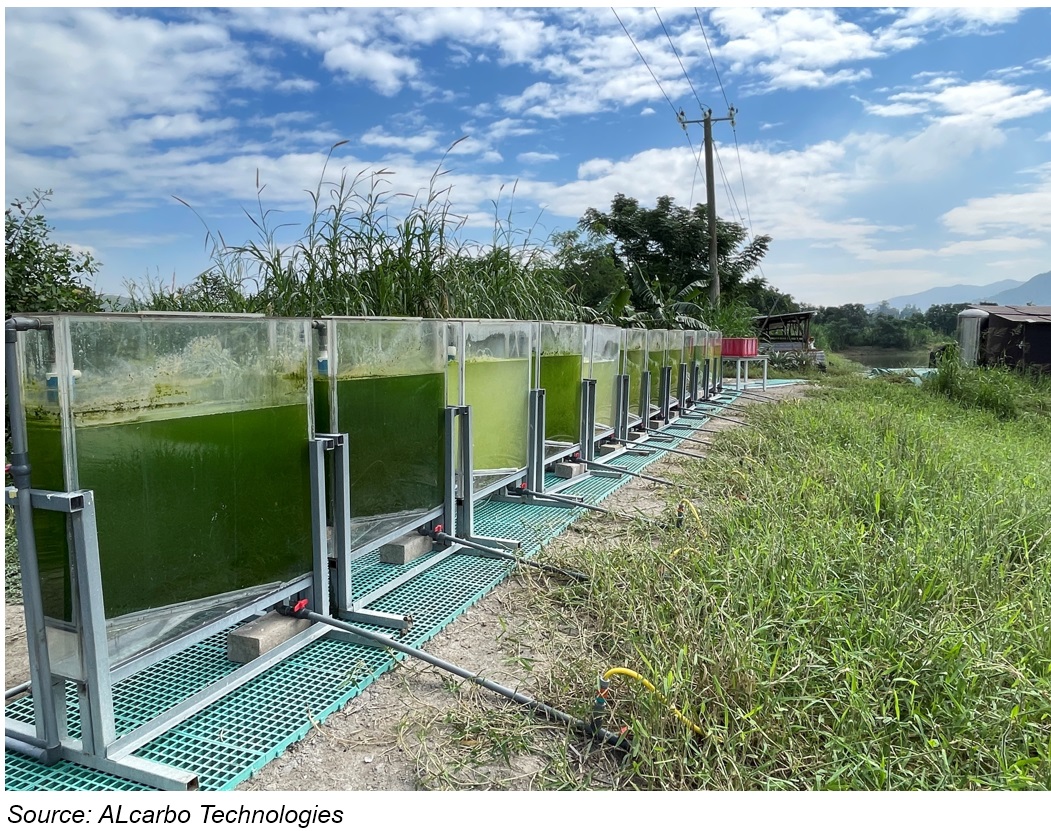
The study, led by NTU’s Singapore Centre for Environmental Life Sciences Engineering and Temasek Polytechnic’s Aquaculture Innovation Centre, demonstrated that fish fed with the new diet grew as well as those on conventional fishmeal, with more uniform growth. The single cell protein was cultivated in bioreactors using soybean wastewater, offering a waste-to-resource solution that aligns with circular economy principles.
This approach supports Singapore’s goal of meeting 30% of its nutritional needs through aquaculture by 2030. The research, published in Scientific Reports, marks a significant advancement toward sustainable aquaculture and future plans include extending trials and exploring different wastewater sources.

Picture 1: The research team cultivated single cell protein from soybean processing wastewater. The cultivated protein was then used to replace half of the fishmeal protein in the diets of farmed Asian seabass (Photo credit: NTU Singapore).

Picture 2: (Clockwise from left) Regular pelletised fishmeal, regular fishmeal powder, pellets comprising equal parts regular fishmeal and single-cell protein, and the single-cell protein in powder form (Photo credit: LIANHE ZAOBAO)

Picture 3: Dr Loo Poh Leong, a research fellow at SCELSE, feeding three-month-old Asian sea bass with a diet comprising equal parts regular fishmeal and single-cell protein, which is cultivated from soya bean processing wastewater. PHOTO: LIANHE ZAOBAO

Picture 4: Members of the NTU-TP research team include (back row, L-R): NTU Professor Stefan Wuertz, School of Civil and Environmental Engineering and Deputy Centre Director, SCELSE; Dr Loo Poh Leong, Research fellow, SCELSE; Dr Ezequiel Santillan, Senior research fellow, SCELSE, (front row, L-R) Dr Woo Yissue, Research fellow, SCELSE; Dr Diana Chan, Head, AIC at Temasek Polytechnic (Photo credit: NTU Singapore).
Date of Input: 06/11/2024 | Updated: 06/11/2024 | hidayahanum
MEDIA SHARING