Article by: Nur Hidayahanum Hamid
Source: King's College London
Researchers working deep in the Amazon Basin are investigating a mysterious and destructive group of parasites known as myxozoa, which are causing significant damage to fish farming operations worldwide. These parasites infect fish such as salmon and trout, leading to diseases that result in substantial stock losses and threaten both biodiversity and the livelihood of fish farmers. Globally, the economic loss from these infections is estimated at over £50 million annually.
In a collaborative international project, scientists from King’s College London, UNIFESP, and institutions in Brazil, Croatia, and the UK have found that more than 50% of fish examined in the Amazon Basin are infected. In other regions, like western United States, up to 90% of trout have been lost due to similar parasitic infections. The team has set up a floating laboratory in Brazil near Santarém, where the Tapajós and Amazon Rivers meet, to study the parasites in their natural habitat.
One of the major breakthroughs includes the discovery of a new gene regulation process previously unknown in these parasites. This insight could pave the way for the development of gene-based vaccines and new treatment strategies.
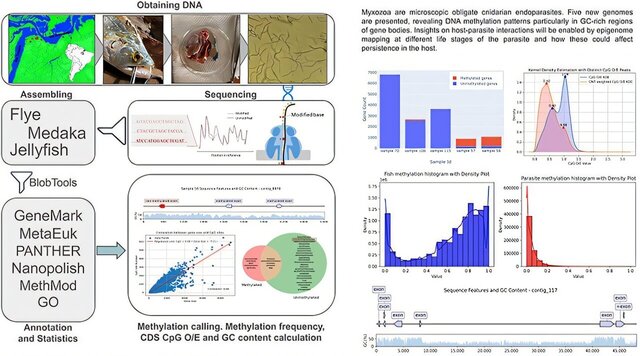
Picture 1: Graphical Abstract. Photo Credit: King's College London

Picture 2: The Amazon basin. Photo Credit: King's College London
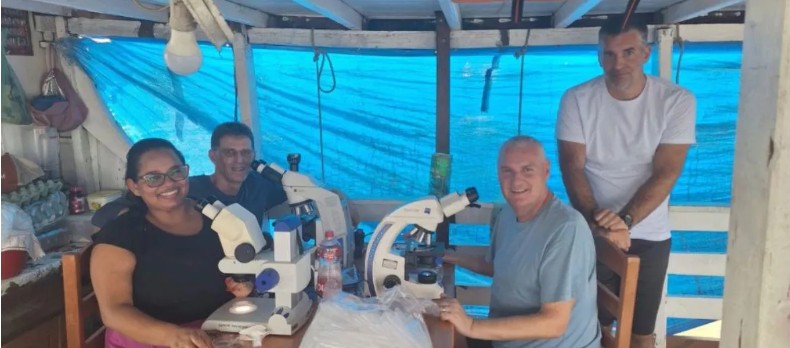
Picture 2: The research team. Photo Credit: King's College London
Date of Input: 02/05/2025 | Updated: 02/05/2025 | hidayahanum
MEDIA SHARING